


What To Do If You Think Someone Is Being Trafficked
Public Safety Canada (2024) states that although there aren’t usually clear indicators ofhuman trafficking, even minor behavioural changes can be significant. They may becomemore reserved, spend more time with a controlling person, or appear uneasy whilediscussing their time away. If you’re worried about someone you care about, the greatestthing you can do is approach them gently and let them know you’re there for them. You don’tneed to confront somebody or try to fix the matter yourself. Just listen, be supportive, andgive safe options if they want help. Even tiny steps may make an impact. References:Public Safety Canada — “Human Trafficking” page:https://www.publicsafety.gc.ca/cnt/cntrng-crm/hmn-trffckng/index-en.aspx
Social Media and Internet Safety
The Canadian Centre for Child Protection (2023) states that because youth spend so muchtime online, they may be more exposed to things like grooming, fake accounts, or personsseeking for personal information. Staying secure online requires being careful about whatyou share and who you communicate to. Using privacy settings, avoiding disclosing yourlocation, and following your instincts can help safeguard you. It’s OK to block someone,report them, or speak with a responsible adult if they cause you discomfort. The internet maybe entertaining, but learning how to remain safe is important.References: Canadian Centre for Child Protection – Online Safety: https://protectchildren.ca/en/
What Does “Consent” Really Mean? A Guide for Youth
Kids Help Phone (2024) emphasizes that consent implies everyone openly agrees to what’soccurring, without pressure or uncertainty. It should feel comfortable, safe, and respectful foreveryone involved. Consent isn’t only about saying “yes” but it’s also about checking in,listening, and understanding you are free to change your mind at any time. When someonefeels afraid, unsure, or forced into anything, it’s not actual consent. Understanding this helpsyouth create healthy connections and detect when something doesn’t seem right.References: Kids Help Phone – Consent: https://kidshelpphone.ca/get-info/what-is-consent/
What is exercise?
According to Britannica (2025), exercise is a component of physical activity that is structured and designed to achieve or maintain physical fitness. Exercise can be tailored to work on specific fitness goals including cardiovascular endurance, muscular endurance, strength, hypertrophy, flexibility, agility, speed, and power. The benefits of exercise include increased cognitive function, reduced risk of certain forms of cancer, management of type 2 diabetes, and reduced risk of obesity and heart disease. Exercise | Definition, Types, Principles, & Health Effects | Britannica
How to prevent stress?
According to the Government of Canada (2008), there are ways to help prevent the accumulation of stress once stress levels have been lowered. The first of which is to make decisions rather than worrying about them, as it causes unnecessary stress. Then, avoid procrastination to avoid being overwhelmed by many things at once by making a schedule that includes your tasks as well as leisurely activities. You should also share your workload instead of shouldering all the work alone and always remember to think positively and be realistic. Mental Health – Coping With Stress – Canada.ca
What is human trafficking?
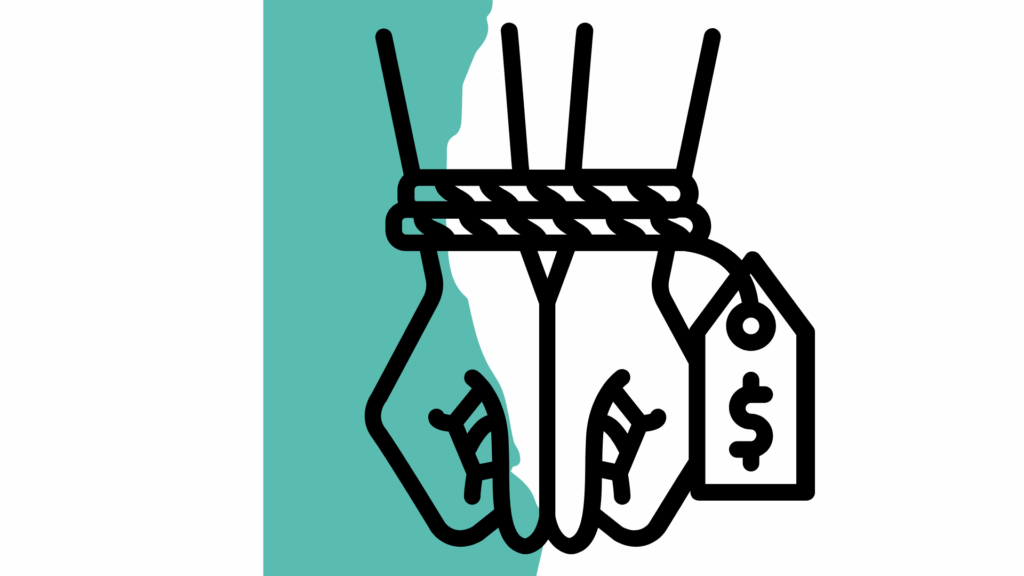
According to the Government of Canada (2025), human trafficking involves displacing or holding victims for forced labour or sexual reasons, exploiting them for profit. Most instances of human trafficking go unreported, however according to police-reported incidents 93% of human trafficking victims were women and girls. Additionally, 91% of victims knew who their trafficker was, 42% of victims were between the ages of 18-24, and 23% of victims were youth under 18 years old. Human Trafficking – Canada.ca
What is mindfulness?
According to Healthline (2022), mindfulness is a practice in which you focus your attention and awareness solely on the present moment. It helps keep you grounded in the moment and reduces feelings of anxiety, stress and depression. Common activities related to mindfulness include meditation, breathing exercises, and walks. Mindfulness is a good tool to improve brain function and quality of life. What is Mindfulness: Benefits, How to Practice, and More
How to meditate?
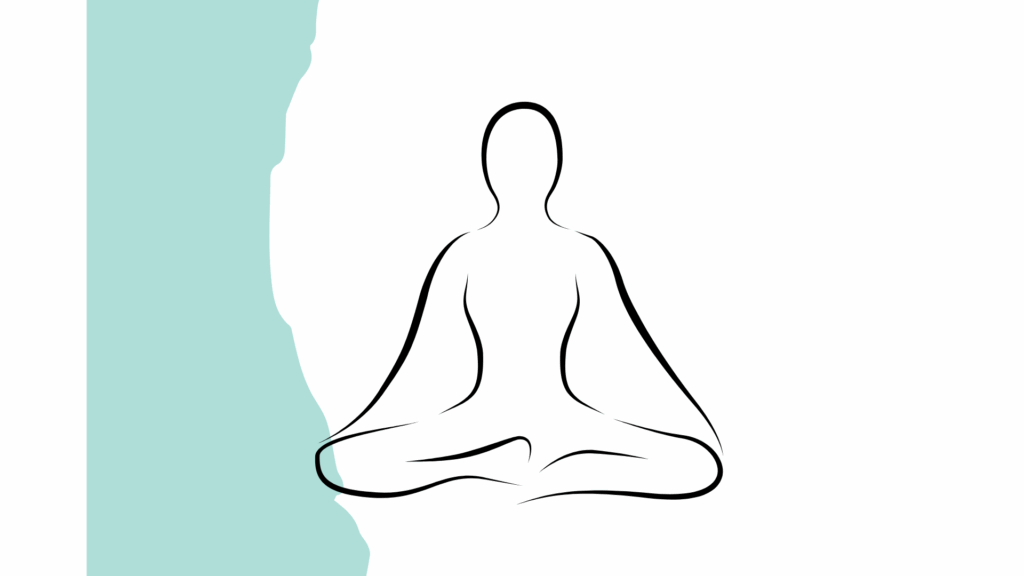
There are many ways in which an individual can choose to participate in meditation. A valuable aspect of most meditation practices is that it can be adapted to suit the individual needs of those practicing. Conventionally, meditative cues focus on a single point, often one’s own breathing or other bodily sensations, or on a word/phrase (a.k.a. mantra). Typically, practitioners close their eyes and are in a comfortable position (usually seated) without moving. The mind is susceptible to wandering at any given moment, so it is important to remember to come back to their point of focus during their moment of meditation. For beginners, it is recommended that sessions be shorter in duration at first (~3-5 minutes), before gradually increasing in length over time (>10 minutes). Meditation | Psychology Today
What is meditation?

According to Psychology Today (2025), meditation is a mental exercise that helps cultivate awareness and attention and is used to better control our reactivity to fleeting negative thoughts and feelings. Meditation is a useful tool when it comes to clearing the mind’s clutter and is a healthier alternative to suppressing or bottling up emotions. Though there are different types of meditation, some of the overall benefits of its practice include reduced stress, increased focus, calmness, reduced chronic pain, reduced risk of heart disease, and emotional regulation. Meditation | Psychology Today
How to cope with stress? pt 2
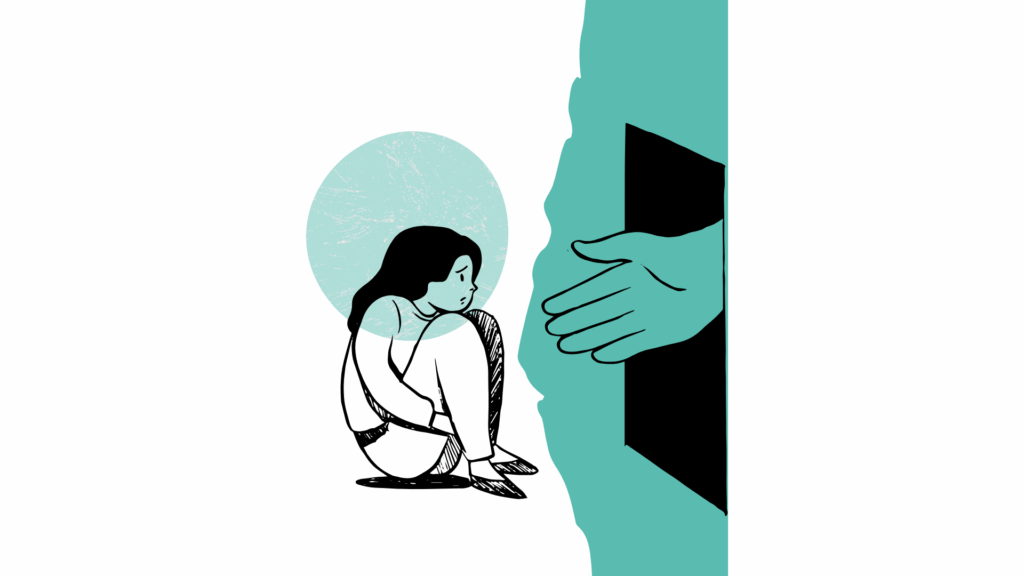
Coping with stress pt 2 According to the Government of Canada (2008), since everyone is different, there is no one one-size-fits-all solution to coping with stress. Despite individual differences, it is recommended to identify your problems and their source, work on solutions for the things you can control, talk about your problems with friends, family or a mental health professional, learn about managing stress via professionals, books, films, and workshops, reducing your tension with physical activity or relaxation exercises, taking your mind off your problems by reading, playing sports, or trying a new hobby, and trying not to be too hard on yourself with negative thoughts. Mental Health – Coping With Stress – Canada.ca